


Practical Tips for Family Support
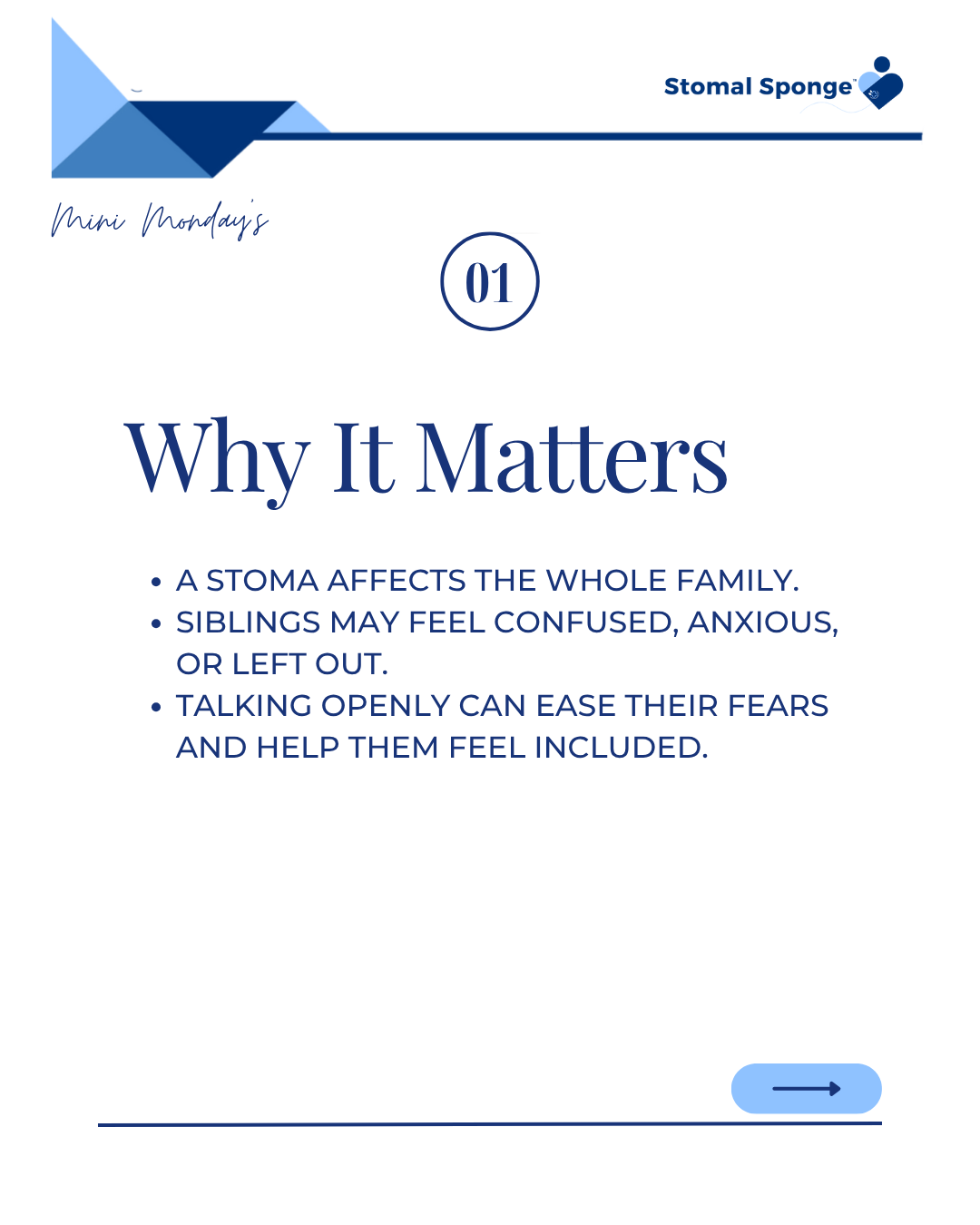
When someone in the family needs a stoma, it affects more than just their physical health. It touches every member of the household. While parents and caregivers focus on medical care and recovery, siblings may feel confused, anxious, or left out. Honest, age-appropriate communication and emotional support can make a big difference. Here’s how you can help siblings adjust, feel included, and stay emotionally supported.
Why Siblings May Struggle
Children may not fully understand what a stoma is or why someone they love suddenly has a pouch.
They might feel:
Scared or confused by changes they don’t understand
Jealous of the extra attention going to their sibling
Left out of conversations or daily routines
Worried about things they’re afraid to ask
Recognising these feelings is the first step toward helping.
How to Explain a Stoma to Kids
Tailor your explanation to the child’s age and emotional readiness. Young children benefit from very simple explanations like: “It’s a new way their body goes to the toilet.” Using dolls or picture books helps make it real without being scary. Older kids or teens might need more details. They may have questions about privacy, school, or if things will go back to normal. Be honest, but avoid overloading them with medical terms. Let their questions guide how much you share.
Tools That Help
These simple tools can reduce anxiety and make the concept of a stoma more approachable:
Dolls or stuffed animals with stomas
A hands-on way for siblings to learn through play.
Coloring books or storybooks
Gentle, non-threatening explanations through age-appropriate stories.
Naming the stoma
This adds humour and helps children feel more comfortable.
Visuals or videos
Step-by-step images can make stoma care less intimidating.
Supporting Emotional Wellbeing
Beyond understanding the "what" and "why" of a stoma, siblings need emotional support to process what they’re experiencing. Try these tips:
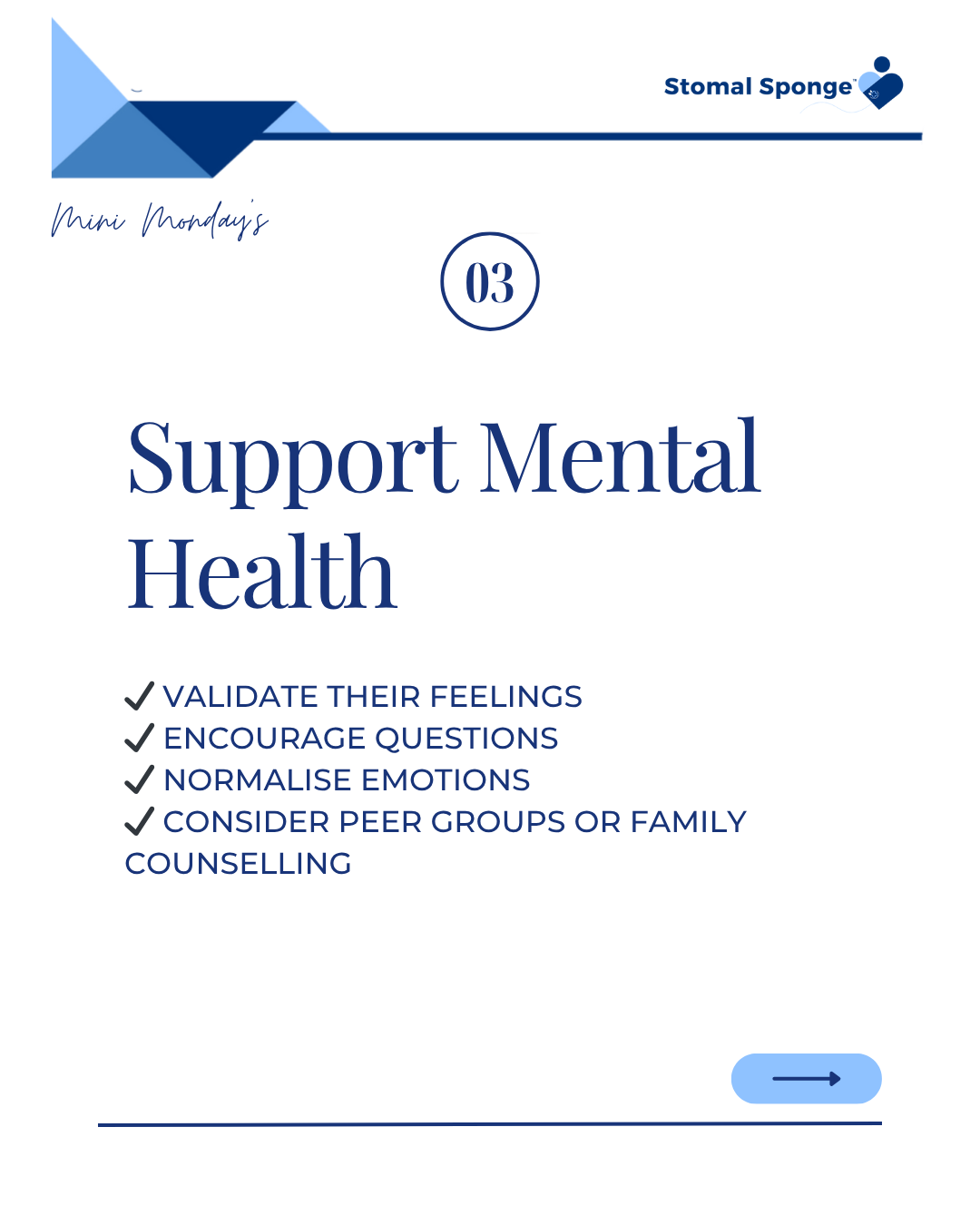
Encourage questions and listen closely to their concerns
Include siblings in small, safe care tasks like handing over supplies
Acknowledge all emotions, even the difficult ones
Consider peer support or family counselling if needed
Meeting other families in similar situations can help siblings feel less alone and more supported.
Every Child is Different
Some children may adjust quickly. Others may need more time or professional help to feel comfortable. Both responses are valid. What matters most is creating a safe space for communication and emotional connection.
Takeaway
Helping siblings understand a stoma begins with simple, honest conversations. Including them in small ways, answering their questions, and supporting their emotional needs can strengthen the entire family’s wellbeing.
This blog is for general information only and does not constitute medical advice. Always consult a healthcare professional for individual guidance.
Resources
Dolls and Toys with Stomas
Ostomy Support Bears WA Facebook | Instagram | Email
Australian Colouring Books and Educational Materials
Australian Professional Support Networks
Australian Association of Stomal Therapy Nurses (AASTN)
Australian Council of Stoma Associations (ACSA)
Australian State-Based Support Groups
Specialist Australian Youth Support
Young Ostomates United (YOU) Inc.
These Australian-based resources ensure that families have culturally appropriate, locally accessible support for helping siblings understand and adjust to stomas within the Australian healthcare system.